Letting Toddlers Grow: Helicopter Parenting, Exploration, and Emotional Development in Ages 1–2
August 25, 2023
Why Toddlers Often Misreport Events: Understanding Early Childhood Communication
October 27, 2024
Starting daycare between 18 months and 2 years is a major milestone — not just logistically, but emotionally and developmentally. At this age, toddlers are learning independence while still depending deeply on the safety and predictability of their primary caregivers. It is completely normal for some children to struggle during this transition, especially if they have had limited experience being away from parents or practicing independent play.
When toddlers cry frequently, cling to adults, repeat instructions, or struggle to settle, it can be easy to interpret the behaviour as refusal or stubbornness. In reality, these behaviours are often signs of an overwhelmed nervous system and developing emotional regulation skills. Understanding what may be happening beneath the surface allows caregivers and families to respond with patience, empathy, and effective support.
Separation Anxiety Is Developmentally Normal
Separation anxiety is a common stage in toddler development. Children are just beginning to understand that their caregiver still exists when out of sight — and that realization can feel unsettling. For toddlers who have rarely been apart from their parents, the daycare environment may feel especially overwhelming.
New faces, routines, sounds, and expectations require emotional energy to process. When coping capacity is exceeded, crying and clinging are not misbehaviour — they are communication.
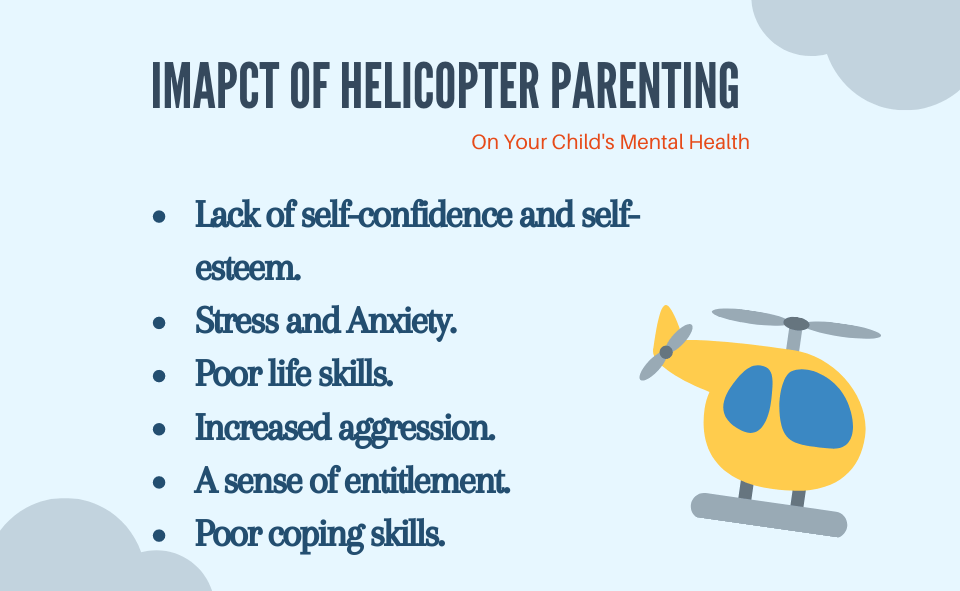
The key is to face these challenges early in development in order to for them to develop their own coping skills and independence.
Emotional Dysregulation: When Feelings Outpace Skills
Emotional dysregulation is very common in toddlers. Many children at this age understand what adults are saying, but their brains are still developing the neurological wiring needed to regulate strong emotions.
You may see situations like:
- A toddler repeats an instruction correctly — showing understanding
- Yet continues crying — because their emotional system is overloaded
To adults, this can look like refusal. Internally, the experience is closer to:
“I understand you… I just can’t stop how I feel.”
This emotional overload is more likely when a child is:
- Tired, hungry, overstimulated, or not feeling well
- Adjusting to changes in routine
- Asked to do something beyond their coping capacity at that moment
Separation can intensify these feelings, especially for children still learning how to calm themselves.
Sensory Sensitivities and Overload
Some toddlers experience everyday environments as louder, brighter, or more intense than others. Group care naturally includes noise, movement, transitions, and social interaction — all of which can overwhelm a sensitive nervous system.
Signs of sensory overload may include:
- Crying that seems disproportionate to the situation
- Difficulty being soothed by voice or touch
- Meltdowns triggered by transitions, textures, noise, or crowds
- Repeating words or instructions as a grounding behaviour
In these moments, the child is not being defiant — they are overloaded and trying to regain a sense of control.
Anxiety and Heightened Stress Responses
Toddlers can experience anxiety even before they have language to describe it. Their nervous systems may stay in a heightened alert state, especially during big transitions like starting daycare.
This may appear as:
- Persistent crying without a clear trigger
- Repeating phrases for reassurance
- Clinginess or fearfulness
- Difficulty settling even with comfort
Contributing stressors can include changes at home, sleep disruption, medical experiences, or shifts in caregiving. When a toddler’s body feels unsafe or uncertain, even small challenges can feel overwhelming.
Speech–Emotion Mismatch
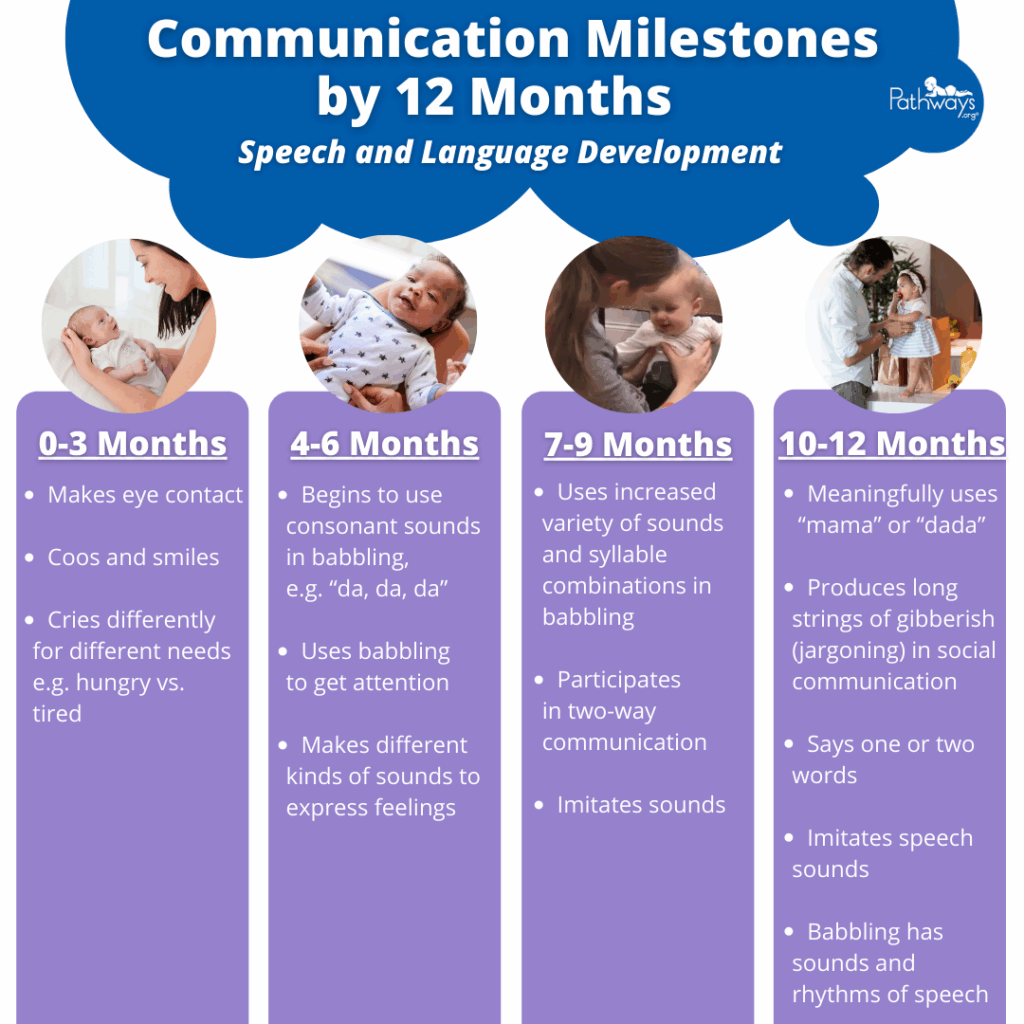
Some toddlers show strong language comprehension but limited ability to express internal emotional states. Repeating instructions may be their way of participating verbally while their emotional needs remain unmet.
This mismatch can make behaviour appear intentional when the child is actually struggling to communicate distress.
Neurodevelopmental and Medical Considerations
Occasionally, persistent difficulty calming — especially when paired with repetitive speech or extreme rigidity during transitions — may signal the need for developmental screening. Conditions such as sensory integration challenges, early ADHD-related impulsivity, or autism spectrum differences sometimes present in toddlerhood.
Importantly, repeating instructions alone is not a red flag. Many typically developing toddlers do this. It becomes meaningful only when combined with ongoing concerns across settings.
Physical discomfort should also be considered. Toddlers cannot always tell us when something hurts. Issues such as ear infections, reflux, constipation, teething pain, poor sleep, or nutritional deficiencies can affect mood regulation. If crying is intense or resistant to comfort, a pediatric check is always wise.
Why Independent Coping Skills Matter
Independent coping does not mean toddlers handle emotions alone. Rather, they gradually learn to:
- Recover from distress
- Explore their environment with confidence
- Transition between activities
- Trust caregivers outside the family
Children who have not yet practiced independence may initially rely heavily on adults to regulate emotions. With gentle guidance and repetition, resilience grows.
How We Support Toddlers at Daycare
Our daycare approach prioritizes emotional safety, consistency, and gradual skill-building:
- Predictable routines that reduce uncertainty
- Responsive comfort that validates feelings
- Gentle encouragement toward independent play
- Sensory-aware environments to minimize overwhelm
- Close observation to identify patterns and support needs
Adjustment is not a race. Every child progresses at their own pace.
How Families Can Support at Home
Consistency between home and daycare helps toddlers feel secure. Families can support adjustment by:
- Practicing brief separations with trusted caregivers
- Encouraging short periods of independent play
- Maintaining predictable routines
- Keeping drop-offs calm and confident
- Acknowledging emotions without prolonging goodbyes
These small steps build trust and coping skills over time.
A Compassionate Perspective
Frequent crying, clinging, or difficulty coping is not a sign that a toddler is misbehaving or failing. It reflects a nervous system still learning how to manage big feelings in a rapidly expanding world. Parents should be aware of these problems so that they can establish early, independent play, other caregivers and playing with peers so that separation anxiety does not lead to emotional disorders.
With patience, understanding, and collaboration between families and caregivers, toddlers develop the emotional tools needed to feel safe, confident, and ready to explore. Our daycare is committed to meeting each child where they are — honouring their feelings while nurturing the independence that helps them thrive.