Fevers
June 1, 2023
Supporting Toddlers Through Separation Anxiety and Building Independent Coping Skills
February 11, 2024
The toddler years — roughly ages one to two — are a period of extraordinary growth. Children are learning to walk, communicate, test boundaries, and form their first sense of independence. It is also a stage when many parents feel a strong urge to hover closely, anticipating danger, discomfort, or distress. While attentive caregiving is essential, overly protective or “helicopter” parenting during this sensitive window can unintentionally interfere with a toddler’s ability to explore, self-soothe, and develop early coping skills.
Understanding how independence and secure attachment work together is key to supporting healthy emotional development — and to reducing the risk of persistent separation anxiety or related emotional difficulties.
The Developmental Task of Ages 1–2: Safe Exploration
Between one and two years old, toddlers are wired to explore. They crawl away, toddle toward new objects, and repeatedly test how far they can move from a caregiver before returning. This behaviour is not defiance — it is the foundation of autonomy.
Developmental psychologists sometimes call this pattern a secure base cycle:
- The child ventures out to explore.
- They encounter novelty, frustration, or uncertainty.
- They return to the caregiver for reassurance.
- Comfort restores confidence, and exploration resumes.
When caregivers consistently allow this cycle to unfold, toddlers learn two powerful lessons:
- The world is safe enough to explore.
- Support is available when I need it.
Helicopter parenting disrupts this rhythm. Constant intervention — preventing minor falls, redirecting every frustration, or staying physically attached — can signal to the child that exploration is dangerous or overwhelming. Over time, this may contribute to increased clinginess, hesitation, or distress during separations.
When Protection Becomes Overprotection
At this age, emotional regulation is still emerging. Toddlers rely on caregivers to help them process big feelings. However, there is a critical difference between supporting emotions and eliminating every discomfort.
Examples of overprotective patterns include:
- Immediately picking up a child at the first sign of frustration
- Avoiding all separations to prevent crying
- Intervening in every attempt at independent play
- Communicating excessive worry through tone or body language
While well-intentioned, these behaviours can limit opportunities for toddlers to experience manageable distress and recovery — the building blocks of coping skills.
Children who are rarely allowed to practice brief separations or tolerate mild frustration may become more sensitive to transitions. This does not mean overprotective parenting causes anxiety disorders outright, but it can increase vulnerability when children lack opportunities to build emotional resilience.
Separation Anxiety: Normal vs. Concerning
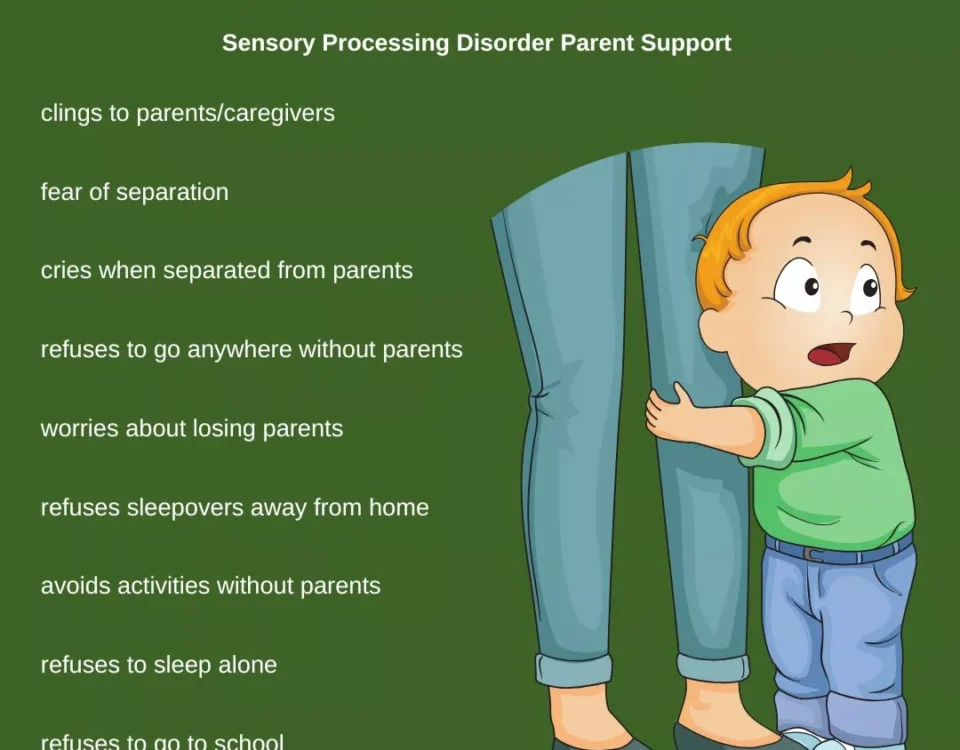
Some separation anxiety is developmentally expected between 8 months and 2 years. Crying when a caregiver leaves signals healthy attachment — the child recognizes the caregiver as a secure figure.
Problems arise when anxiety becomes:
- Intense and persistent beyond age expectations
- Interfering with daily routines
- Resistant to gradual reassurance
Avoiding separation entirely can unintentionally reinforce fear. Toddlers learn that distress must be escaped rather than managed. Gentle exposure to short, predictable separations helps children discover an important truth: caregivers leave — and they return.
How Parents Can Support Healthy Emotional Development
The goal is not to push toddlers into independence prematurely, but to create a balance between safety and exploration.
1. Practice brief, predictable separations
Start small — stepping into another room or leaving the child with a trusted caregiver for short periods. Always say goodbye calmly. Sneaking away can increase anxiety because it undermines trust.
2. Allow manageable frustration
If a toddler struggles to stack blocks or reach a toy, pause before intervening. Offer encouragement instead of immediate rescue. This builds persistence and problem-solving.
3. Create a safe exploration zone
Childproof environments allow toddlers to roam with fewer restrictions, reducing the need for constant “no” or physical interference.
4. Model calm confidence
Toddlers read emotional cues. A parent who appears anxious about separation can unintentionally transfer that worry. Calm, matter-of-fact transitions communicate safety.
5. Support — don’t suppress — emotions
When distress happens, respond with empathy:
“You’re sad I’m leaving. I’ll be back after snack time.”
Naming feelings teaches emotional literacy while reinforcing predictability.
6. Encourage independent play
Even a few minutes of solo exploration helps toddlers develop focus, creativity, and self-soothing abilities.
The Long-Term Impact of Early Coping Skills
Early experiences with exploration and separation shape how children approach challenges later. Toddlers who learn they can tolerate discomfort — and that caregivers remain a reliable base — tend to show:
- Greater emotional regulation
- Increased confidence
- Lower fear of new situations
- Stronger adaptive coping skills
This foundation does not eliminate all future anxiety, but it equips children with tools to navigate stress more effectively.
A Balanced Perspective
Responsive parenting and independence are not opposites — they are partners. Toddlers thrive when caregivers are emotionally available and willing to step back enough to let learning happen.
A helpful mindset shift is:
“My job is not to prevent every struggle — it is to help my child learn they can handle it.”
By allowing safe exploration, tolerating small frustrations, and practicing gentle separations, parents foster resilience rather than fear. The toddler years are not just about keeping children safe — they are about helping them grow brave.